The BBC has described plans for an emergency radio service that could continue broadcasting during a severe disruption to electricity and communications, bringing renewed attention to a basic question of national resilience: how would people receive dependable information if their usual connected devices stopped working?
In a November 7 report, BBC correspondent David Sillito said approximately 100 staff would operate a special studio with secure communications independent of the internet and enough food, water and fuel to function without resupply for at least three days. The account concerns contingency arrangements. It is not an announcement that a nationwide blackout is underway or that one has been scheduled.
A plan for communications failure
The BBC report describes radio transmission infrastructure supported by diesel generators, alongside satellite-equipped vehicles through which selected journalists could report from emergency centers. Satellite phones and pre-agreed fallback arrangements would help teams communicate if ordinary networks were unavailable. These are layers of preparation for a difficult operating environment, rather than evidence that any single technology would remain infallible.
The importance of radio in that scenario is its ability to distribute information without requiring each listener to maintain an internet connection. A working receiver still needs power, however. A battery-operated, wind-up or car radio can be useful during an outage precisely because it does not depend on a household television or broadband connection continuing to operate normally.
The reported three-day provision describes supplies and operating endurance without resupply. It should not be read as a promise that power would return to every household within 72 hours. Sillito's report discusses restoration expectations attributed to an unnamed insider, but that is different from a nationwide guarantee or a published schedule for every possible emergency.
Official scripts predate the latest reporting
Government documents provide a separate, primary record of the public-health messages that emergency broadcasts might carry. The Department of Health and Social Care published scripts from the United Kingdom's four chief medical officers on December 16, 2025. The documents therefore existed before this weekend's reporting and are not newly issued instructions responding to a current national outage.
The publication describes a total power failure across Great Britain as a very unlikely scenario. It explains that disrupted phone, internet and television services could leave radio as the available means of communicating health advice. Topics include water and sanitation, food and nutrition, and keeping warm or cool in extreme weather.
The department also draws an important institutional distinction: the scripts were developed by the chief medical officers as independent health advisers and are not government policy. Their publication makes planning material available for scrutiny. It does not, by itself, establish a new emergency order or change the legal responsibilities of households.
Why the subject extends beyond lighting
A long electricity disruption can affect more than the ability to switch on a lamp. The BBC's account uses Lancaster's December 2015 flooding and blackout as a documented example of difficulties involving transport, payments and communications. Its discussion of that event explains why maintaining an information channel is part of preparedness, rather than merely a question of keeping entertainment on air.
Herald.Wales separately reviewed the health scripts and the BBC's account, emphasizing that the official documents cover exceptional circumstances rather than the effects of every local power cut. Its reporting also identifies the difference between emergency broadcasting preparations and research into future high-altitude communications platforms. Research funding should not be mistaken for a nationwide replacement network already available to the public.
These distinctions matter because dramatic descriptions of a possible emergency can easily be mistaken for warnings that the event is imminent. The BBC quoted the Cabinet Office saying there was no specific threat to the grid in the context of the preparedness discussion. A plan can be worth examining without treating its existence as evidence that authorities expect a particular attack or failure tomorrow.
What readers can establish from the record
The strongest confirmed points are the existence of published health-broadcast scripts and the BBC's own reported description of its contingency arrangements. The full operational details of the studio are not public in the material reviewed here. This article does not independently certify its readiness, identify its location or claim to have inspected its supplies.
The broader lesson is about redundancy: an emergency information system must account for the possibility that familiar services fail together. Reviewing the original guidance is more useful than assuming that every power cut requires the same response. For current local instructions, readers should rely on relevant public authorities and service providers rather than interpreting a contingency report as an active emergency alert.
Sources and further reading
This independently written article draws on the reporting and primary materials linked below. The Disclose.tv item supplied the topic lead; it was not used as the sole factual source.
- Disclose.tv — topic lead
- BBC — November 7 account of its contingency arrangements
- Department of Health and Social Care — original December 2025 health scripts (primary)
- Herald.Wales — independent review of the scripts and reporting
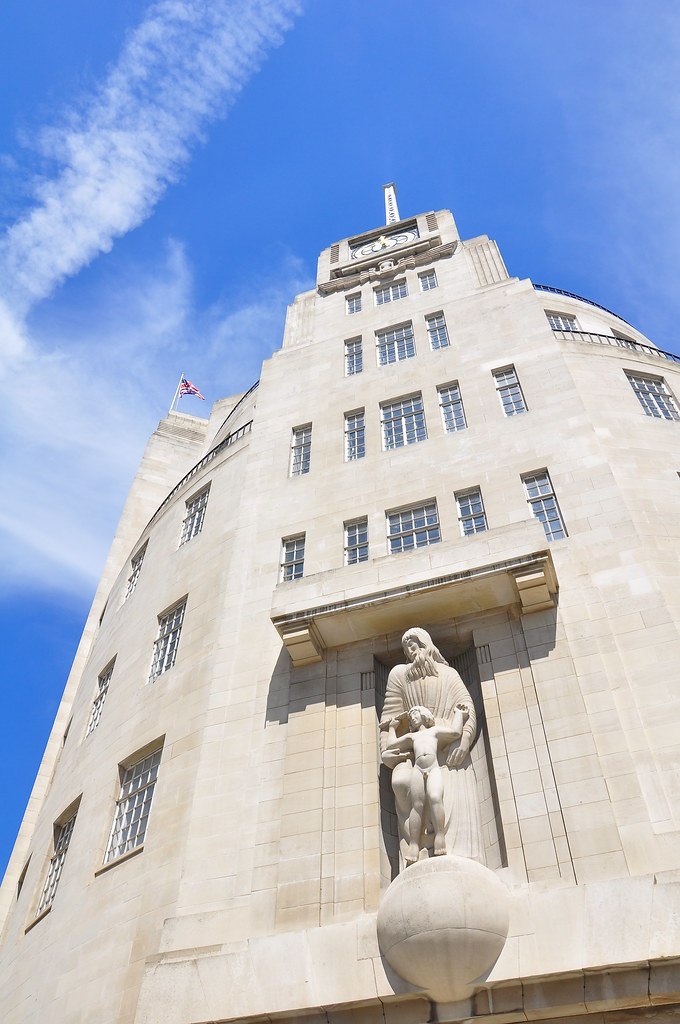
Photo credit and reuse: BBC Broadcasting House near Oxford Circus in London, June 27, 2010. Ben Sutherland. Contextual archive photograph; it does not identify or show the emergency studio described in the reporting. Resized and JPEG recompressed. No editorial crop; automatic theme thumbnails may be cropped. Photo: CC BY 2.0. Source and rights · License / reuse terms.