
Two Telegram posts from the same channel, hours apart, pushed a tidy fairy tale about flight. On the runway, the story goes, airliners sip ordinary gasoline; once aloft, they somehow switch to “anti-gravity.” A follow-up clip promised the “most comprehensive” take on a “jet fuel conspiracy,” then pointed viewers toward another “Banned Truth” channel.
That is a marketing funnel dressed as revelation. The verifiable record of how commercial jets fly is less cinematic — and far more public. Anyone can read fuel specifications, maintenance handbooks, and basic propulsion explainers without joining a disappearing chat.

Turbine-powered airliners burn aviation turbine fuel, commonly Jet A in the United States and Jet A-1 internationally. Industry and government references describe these as kerosene-type fuels, not automotive gasoline. The FAA’s aircraft maintenance handbooks distinguish AVGAS (for many piston engines) from Jet A (for turbines). Chevron’s technical review of aviation fuels and U.S. Department of Energy work on sustainable aviation fuel likewise treat Jet A chemistry — alkanes, cycloalkanes, aromatics — as the baseline of commercial jet propulsion.
Why does the gasoline/kerosene confusion stick? Because airports also serve piston trainers and business pistons that use AVGAS, and because fuel trucks look interchangeable to a distant camera. None of that means a Boeing or Airbus widebody tops off with pump gas for taxi and then discards chemistry at rotation. Fueling paperwork, hydrant systems, and airline manuals assume continuous turbine-fuel supply from gate to cruise to landing.
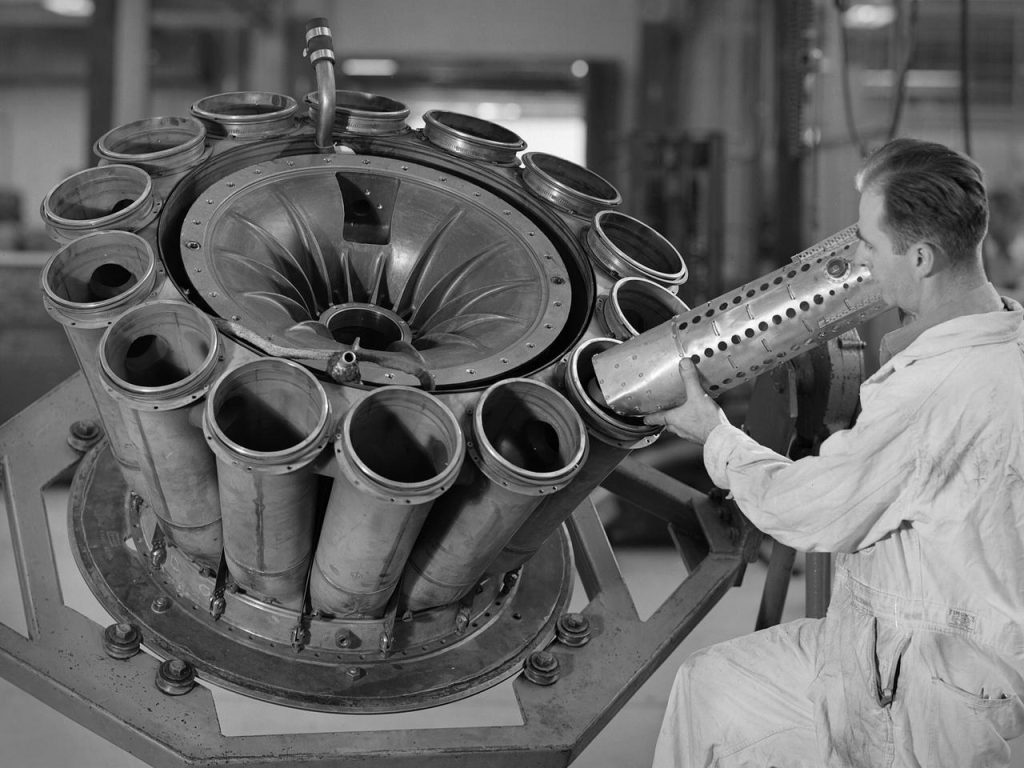
How does that fuel become flight? NASA and MIT explain the same loop students learn in engineering courses: a fan and compressor raise air pressure; fuel is injected and burned; hot gases spin a turbine and blast rearward through a nozzle; the aircraft is thrust forward. Lift still comes from wings moving through air. There is no certified “anti-gravity mode” in FAA type certificates, pilot operating handbooks, or fueling procedures at commercial airports.
Conspiracy versions often lean on the fact that military labs have explored exotic propulsion concepts, or that fuel flow looks different at idle than at takeoff thrust. Research into alternative fuels, electric trainers, or speculative physics does not rewrite the daily logistics of Jet A trucks and ASTM fuel specifications that keep scheduled flights airborne. Extraordinary claims require primary records — engineering orders, fuel samples, and certified procedures — not a dramatic voiceover.
Airport economics also undercut the myth. Fuel is one of the largest operating costs for airlines. DOE notes that fuel can represent roughly a fifth to a third of airline operating expense, which is why carriers obsess over burn rates, weight, and sustainable aviation fuel blend economics. If aircraft could discard fuel burn after takeoff, that cost structure — and every earnings call that mentions fuel hedges — would look unrecognizably different. Public financial disclosures are not secret societies; they are another paper trail the anti-gravity story has to ignore.
None of this requires trusting a single corporation. It requires noticing that pilots, mechanics, fuelers, regulators, insurers, and accident investigators all operate inside the same published physics. When something goes wrong, National Transportation Safety Board dockets discuss fuel contamination, engine failure, and aerodynamics — not a missing anti-gravity switch. Investigative readers can demand transparency without inventing a second propulsion system that leaves no invoice.
What the Telegram posts document is not a suppressed energy technology. They document a claim that contradicts publicly available fuel standards and engine physics, then convert curiosity into a channel invite. Readers who want mystery can still ask hard questions about sustainable aviation fuel costs, military R&D secrecy, or airport pollution. Those are real investigative subjects. “Planes stop using fuel and float on anti-gravity” is not one of them — unless someone produces a primary engineering record that airlines, regulators, and fuel suppliers somehow all forged. So far, that record has not appeared.
Sources and further reading
- FAA Aviation Maintenance Technician Handbook — Powerplant (fuel systems)
- NASA: How jet engines work (student site)
- MIT School of Engineering: How does a jet engine work?
- DOE: Sustainable Aviation Fuel technical pathways
- Chevron Aviation Fuels technical review
- Topic lead (not copied): https://t.me/Secrets_of_civilizations/2614
- Topic lead (not copied): https://t.me/Secrets_of_civilizations/2613