
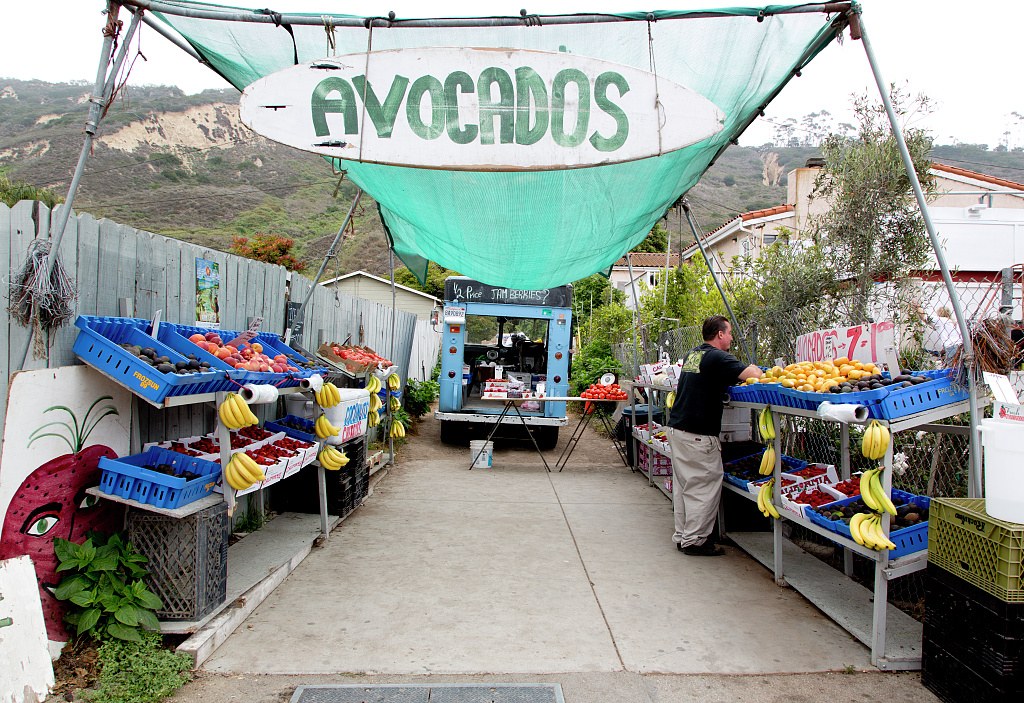
“Do you know the right way to eat fruit?” asked a short Telegram clip, offering sparkle emoji and no study citation before pitching Banned Truth. Fruit-order lore thrives online — never with bananas, only on an empty stomach, never after meals. Some of that is folk nutrition. Some overlaps, loosely, with a narrower finding researchers have actually tested: meal sequence.
Controlled crossover studies in type 2 diabetes and prediabetes show that eating protein and vegetables before carbohydrates can blunt post-meal glucose and insulin spikes compared with carbohydrate-first meals of the same calories. Weill Cornell–linked work and follow-ups report large percentage drops in incremental glucose area-under-the-curve when carbs come last. Related pilots found similar patterns in people without diabetes. That is about measured glycemic excursions under lab conditions, not a moral ranking of apples versus mangoes.
Fruit itself remains a recommended whole-food source of fiber and micronutrients in mainstream dietary guidance. Whole fruit is not interchangeable with sugar-sweetened beverages. The Telegram framing risks converting a useful behavioral tip — slow the carb rush — into a purity rule that treats fruit as a trap waiting on the counter.
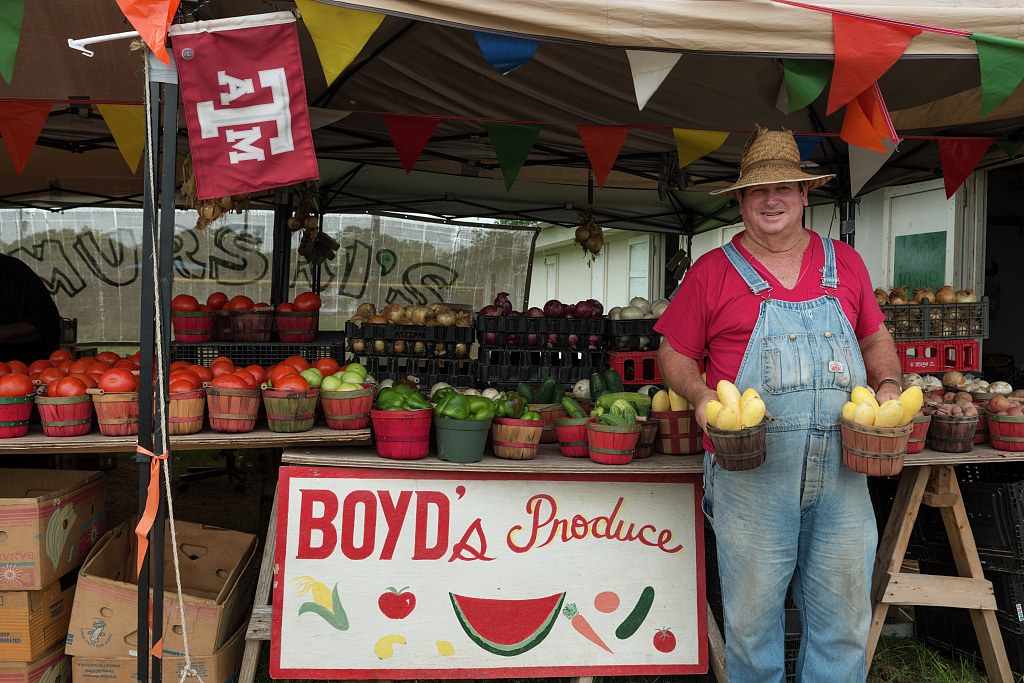
So what is the “right” way? If the goal is flatter glucose curves, evidence supports putting protein and non-starchy vegetables ahead of rapidly digested carbs, which can include fruit juice or large fruit servings inside a carb-heavy meal. If the goal is overall diet quality, demonizing fruit is a poor substitute for cutting sugary drinks and ultra-processed snacks. Context matters: a person using continuous glucose monitoring may care about sequence more than someone eating an orange as a snack.
Marketers also blur fruit with fruit-flavored products. A cup of berries is not a fruit-punch beverage, a gummy vitamin, or a yogurt dessert with fruit concentrate. When viral posts say “fruit,” they rarely define the matrix — whole, juiced, dried, or sweetened. Clinical meal-order papers, by contrast, specify bread, juice, chicken, and vegetables so other scientists can repeat the protocol. That specificity is what separates a finding from a vibe.
For people with diabetes, the practical takeaway is modest and actionable: experiment carefully with sequence, watch your own meter or CGM, and talk with a clinician before changing medication around diet tricks. For everyone else, the investigative lesson is broader. Wellness channels thrive by implying forbidden knowledge. Meal-sequence research thrives by publishing methods. Only one of those habits scales into public knowledge you can check.
Nutrition science already has enough real controversies — ultra-processed food definitions, sweetener outcomes, protein distribution — without inventing a fruit prohibition. The meal-order literature is one of the cleaner recent threads because it is small, controlled, and easy to misread. Treating it as a footnote to a conspiracy about bananas is how health misinformation recycles itself. Treat it as a testable protocol, and the Telegram scare loses its plot.
The clip’s missing piece is the same one every Banned Truth funnel omits: methods, populations, and uncertainty. Food-order trials are often small and acute. They do not prove a secret fruit protocol suppressed by industry. They do suggest that sequence can matter for people watching postprandial glucose — a quieter conclusion than a viral warning, and a more useful one. Curiosity belongs on the stopwatch and the lab sheet, not on a disappearing invite link.