

Three separately elected winners from the Nov. 4, 2026 midterms entered the week after Election Day facing criminal cases — a coincidence of timing that does not make the cases related, and does not establish guilt.
The matters involve Missouri state Rep. Anthony Ealy, Iowa District Associate Judge Lynn Poschner, and North Carolina Rep.-elect LaKesha Womack. Local reporting, not national rumor chains, is the basis for what follows.
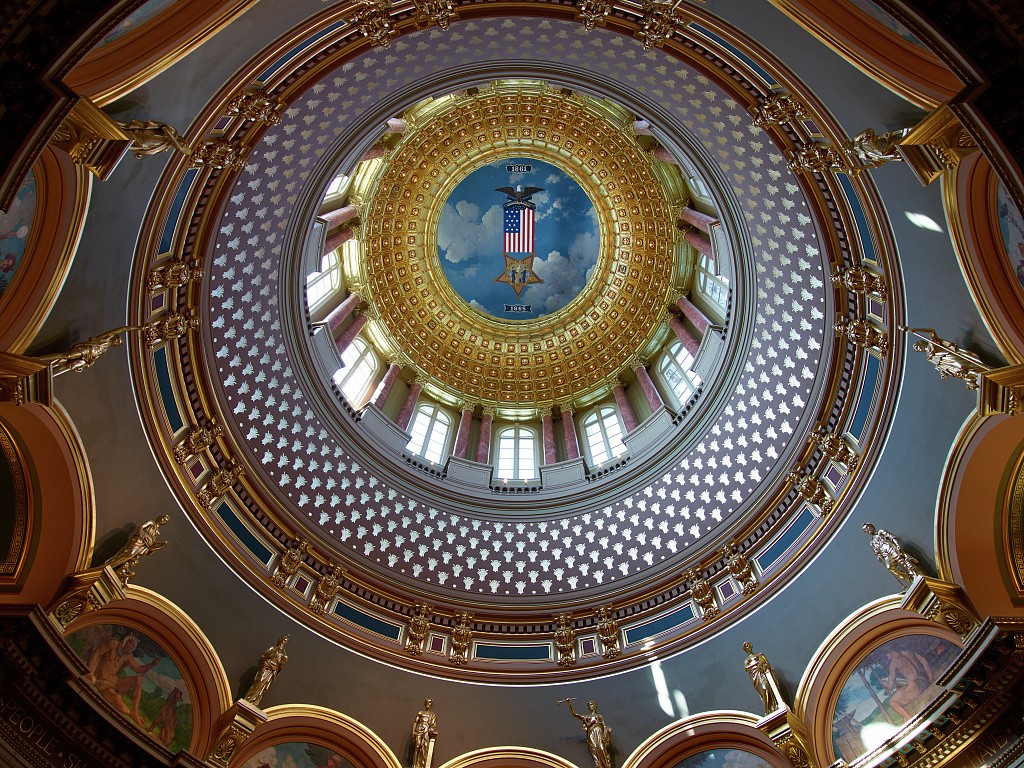
In Iowa, Poschner was retained by voters with roughly 69% support in a nonpartisan judicial retention election. The next day, Urbandale police arrested her on felony charges of homicide by vehicle and serious injury by vehicle arising from a Sept. 25 crash on 86th Street. According to the criminal complaint described by Iowa Public Radio and KCCI, Poschner told officers she looked down to adjust audio on her phone and did not see two pedestrians. One victim, 60-year-old Jasmira Kadic, died on Oct. 28. A second pedestrian was seriously injured. Poschner was released on $15,000 cash bond. The Iowa Judicial Branch said she is taking time away while cases are reassigned. The state attorney general’s office will prosecute to avoid a local conflict.
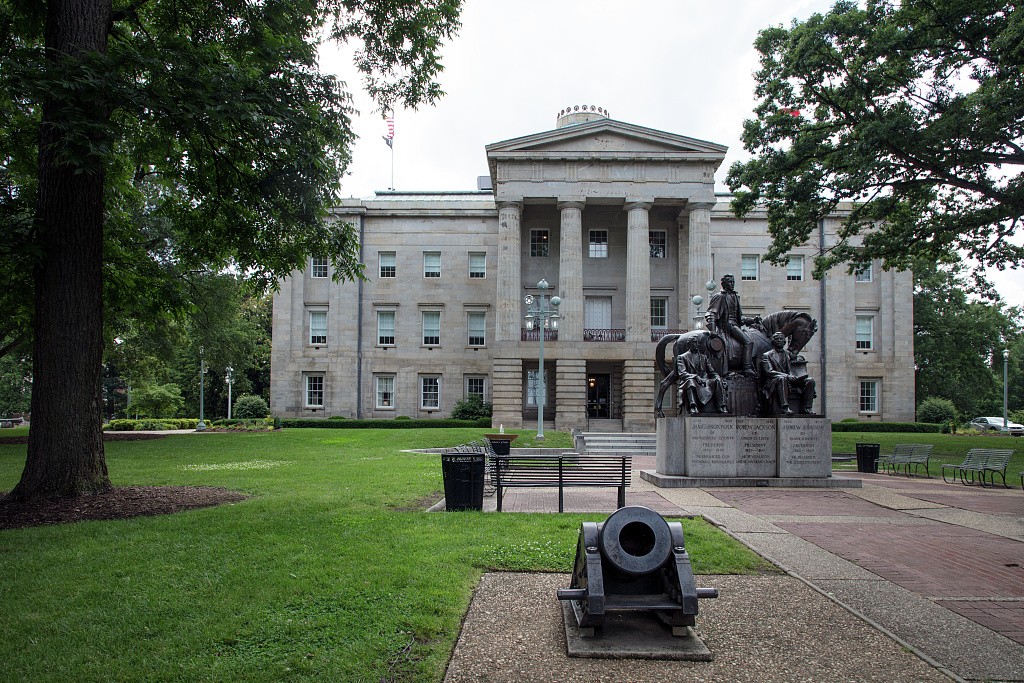
In Missouri, Ealy won reelection to the state House with about 68% of the vote, then was arrested in Jefferson City the next day after a disturbance reported near a business on East Capitol Avenue. Local coverage cited by regional outlets says witnesses alleged threats and a claim involving a firearm; Ealy denied threatening anyone or claiming to have a gun, according to court documents cited in that coverage. Prosecutors filed misdemeanor counts of fourth-degree assault and peace disturbance. Earlier in the year, House Democratic leaders had already removed Ealy from committee assignments for personal issues, a separate personnel action from the new criminal case.
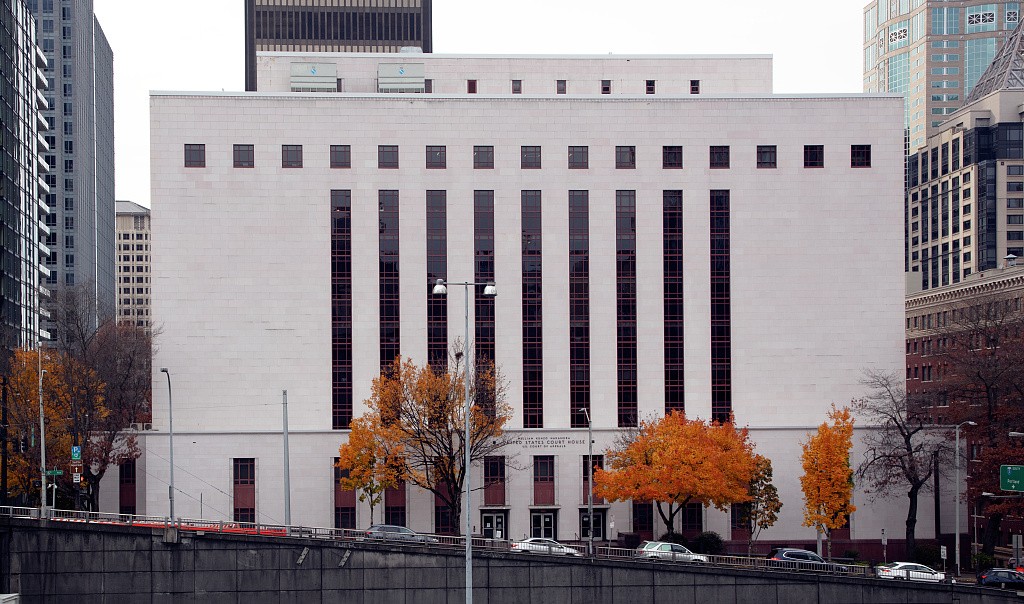
In North Carolina, Womack defeated Republican incumbent Tim Moore in the 14th Congressional District. She was not arrested after Election Day. Instead, she is due in Mecklenburg County District Court on a felony summons connected to an alleged 2019 failure to return a Budget rental car valued in court papers at about $20,000. Coverage in the Charlotte Observer and Carolina Journal notes the summons originated years earlier, was initially returned unserved, and was served during an October campaign event. Womack has said she returned the vehicle late and described housing instability around the time of the original dispute.
These cases share a headline hook — election winners under legal scrutiny — and little else. One is a fatal traffic case with forensic phone allegations. One is a misdemeanor disturbance case with contested witness accounts. One is a years-old rental-car felony summons. None has produced a trial verdict in the post-election window covered here.
Responsible coverage therefore resists the temptation to fuse them into a morality play about “Democrats.” Party labels may appear in local political identification, but criminal liability is individual. Shadow Dossier will update if charging documents, pleas, or dismissals materially change the record.
Local process details also cut against viral simplification. In Iowa, the attorney general — not the county attorney — will handle Poschner’s prosecution specifically to avoid conflict with a sitting local judge. The Judicial Qualifications Commission can investigate and the Iowa Supreme Court can discipline judges, paths that run parallel to the criminal case. In Missouri, the new charges are misdemeanors arising from a same-day street disturbance, not a federal corruption indictment. In North Carolina, the rental-car case predates the congressional campaign by years and was revived through service of an old summons, not a post-election raid.
Election results remain legally distinct from criminal exposure. Winning an election does not immunize a candidate, and facing charges does not void a certificate of election by itself. Removal, resignation, expulsion, or judicial discipline each follow their own statutes and chamber rules. Until those processes conclude, the accurate description is pending cases after electoral victories — not a collective conviction narrative.
Shadow Dossier grouped the three matters only because they surfaced in the same post-election news cycle and appeared among recent Resist the Mainstream headlines as a combined topic. Our reporting still separates them. Anyone seeking a single morality tale should look elsewhere. Anyone seeking charge names, venues, and next hearing dates will find those above, with links to local primary coverage.
Sources and further reading
- Iowa Public Radio: Poschner charged after retention vote
- KCCI: Urbandale crash charges
- Charlotte Observer / Carolina Journal reporting on Womack summons
- Topic spotted via Resist the Mainstream (independent reporting; not copied): https://resistthemainstream.com/dem-arrests-shock-us-after-midterms/